Health officials warn public after rabies cases in SC - WYFF
3 days ago
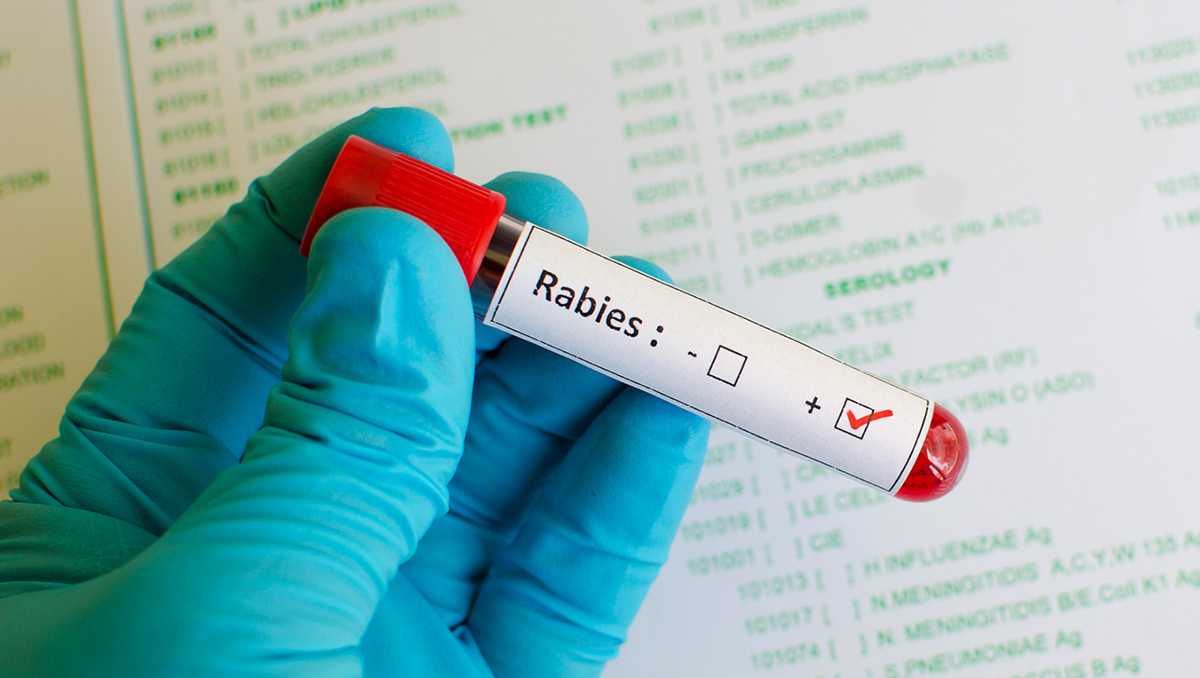
GREENVILLE, S.C. – Recent reports from the South Carolina Department of Health have confirmed the presence of rabies in two animals within the state, raising concerns among local residents and health officials. Rabies is a viral disease that poses serious health risks to both humans and animals, and the detection of rabid animals serves as a critical reminder of the ongoing threat this disease poses. The two confirmed cases involve a raccoon found in Charleston County and a fox in a nearby area, both of which were tested positive for rabies after exhibiting unusual behavior characteristic of the disease. Health officials have reported that two individuals were potentially exposed to the rabid raccoon, prompting immediate action to ensure their safety. Both individuals are receiving post-exposure prophylaxis, a series of medical treatments that can prevent the onset of rabies if administered promptly after exposure to the virus. The South Carolina Department of Health emphasizes the importance of seeking medical attention immediately after potential exposure, as rabies is almost always fatal once symptoms appear. The department is working closely with local health agencies to monitor the situation and provide necessary support to those affected. The rabies virus is primarily transmitted through bites or scratches from infected animals, most commonly wild animals like raccoons, bats, and foxes. As urban areas expand and wildlife habitats intersect with human populations, the risk of exposure increases. Health officials are urging residents to take proactive measures to avoid encounters with wild animals, such as securing trash, keeping pets vaccinated, and avoiding contact with stray animals. Education and awareness are essential components in preventing rabies outbreaks, and local health departments are conducting outreach efforts to inform the community about the signs of rabies in animals and the necessary precautions to take. Additionally, the recent rabies confirmations have sparked discussions about wildlife management and public health strategies in South Carolina. Officials are considering enhanced monitoring of wild animal populations, as well as vaccination programs for domestic pets to create a buffer against rabies transmission. As the state grapples with these challenges, collaboration between health departments, wildlife agencies, and community members will be vital in addressing the rabies threat. By fostering a culture of awareness and preparedness, South Carolina can better protect its residents from the dangers posed by rabies and ensure a safer environment for both people and wildlife.